Sludge Dewatering System Manufacturer in India | STP & ETP Solutions
Sludge Dewatering Systems are a critical component of wastewater treatment and industrial effluent management. After biological or chemical treatment, sludge typically contains 60–90% water, making it bulky and costly to handle. Dewatering reduces the water content, resulting in:
- Reduced sludge volume: Up to 70% reduction
- Lower transport and disposal costs
- Improved reusability: Compost, biofuel, construction material
- Eco-compliant: Meets environmental disposal standards
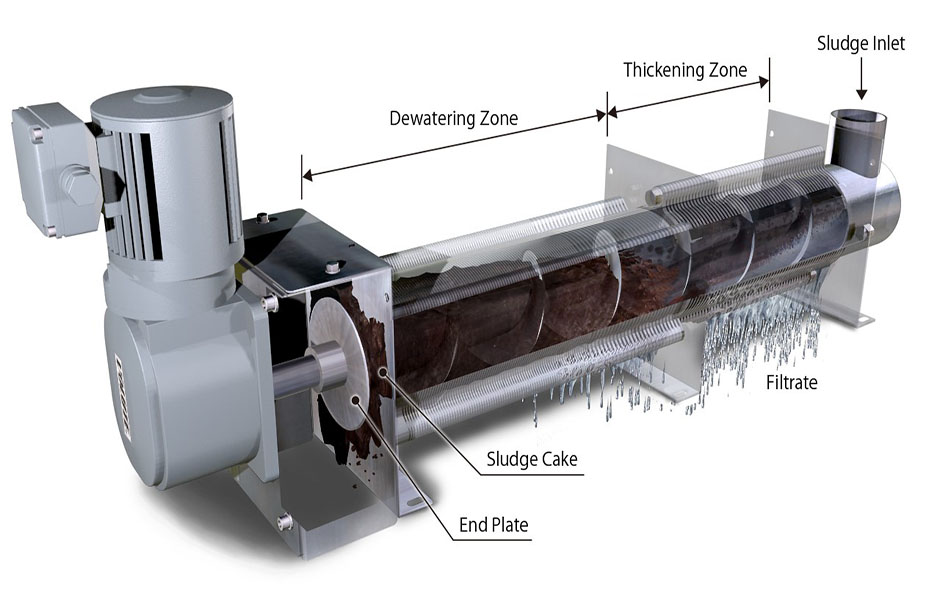
1. Multidisc Dewatering System
The Multidisc Screwpress Dewatering System is a next-generation technology designed to minimize water and power usage. It operates using a series of fixed and moving discs that filter sludge while a screw mechanism continuously moves the sludge forward. The gaps between discs remain self-cleaning, preventing clogging – a common issue in conventional belt presses.
- Energy-Efficient: Operates at <0.1 kW/h per kg DS
- Minimal Water Usage: Requires very little wash water
- Low Maintenance: Slow-moving parts reduce wear
- Compact & Silent: Small footprint, quiet operation
- Handles Difficult Sludge: Oily, fibrous, concentrated sludge
Applications:
- Municipal sewage treatment plants (STPs)
- Small to medium industrial ETPs
- Food & beverage processing industries
- Textile & chemical industries with oily sludge
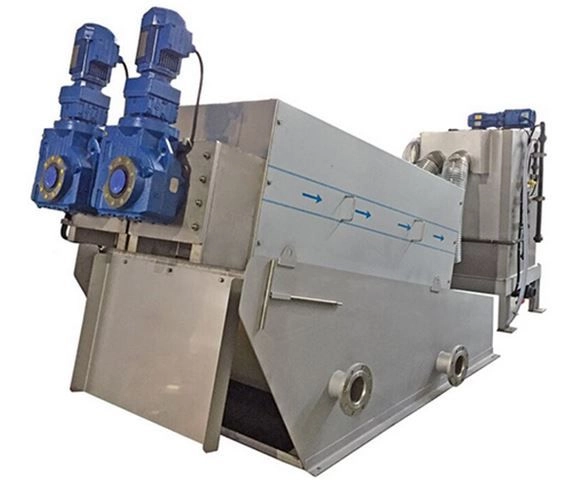
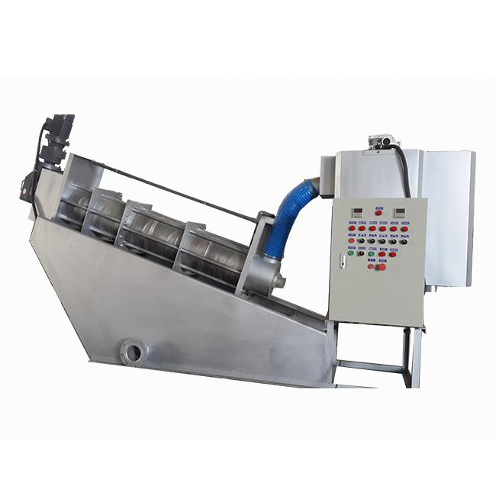
2. Screwpress Dewatering System
The Screwpress is a continuous dewatering equipment where sludge is fed into a cylindrical filter screen. A slow-rotating screw shaft applies pressure, gradually squeezing out water. The system works under low pressure but extended time, ensuring effective dewatering with minimal noise and vibration.
- Consistent Dry Cake: 15–25% dry solids
- Energy Saving: Lower energy use than centrifuges
- Robust Performance: Can run 24/7
- Automatic Control: PLC/SCADA integration possible
- Self-Cleaning Filter Gaps: Reduces clogging risks
Applications:
- Industrial wastewater plants (pulp & paper, tanneries, pharma, steel, etc.)
- Large municipal STPs/ETPs
- Continuous sludge treatment plants
- Sludge with high organic content
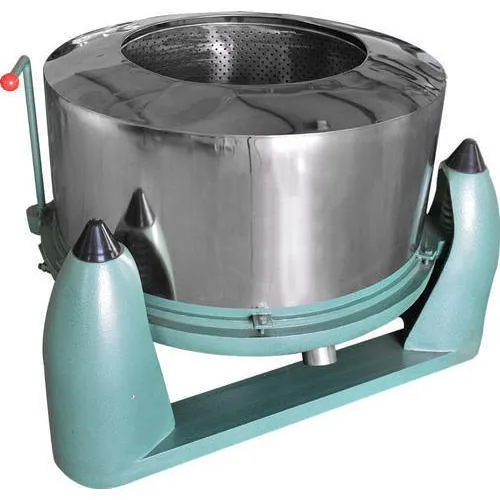
3. Basket Centrifuge
A Basket Centrifuge operates at high rotational speeds (1000–4000 rpm), generating centrifugal forces up to 3000– gravity. This rapidly separates water from sludge, producing a very dry cake. However, the system demands higher power and skilled operation.
- Fast Processing: Dewaters sludge within minutes
- Very High Dryness: 30–40% dry solids
- Durable Build: Suitable for abrasive sludge
- Batch & Continuous Models: Flexible operation
Limitations:
- Higher energy demand
- Frequent maintenance required
- Requires skilled operator
Applications:
- Chemical & pharmaceutical manufacturing
- Mining and metallurgical industries
- High-solid concentration sludge treatment
- Large ETPs needing maximum dryness quickly
Comparison at a Glance
| System Type | Energy Use | Dryness Level | Maintenance | Best For |
|---|---|---|---|---|
| Multidisc Dewatering | Very Low | Medium (15–20%) | Very Low | Compact plants, oily/fibrous sludge |
| Screwpress Dewatering | Low | Medium–High (15–25%) | Low | Continuous industrial STP/ETP |
| Basket Centrifuge | High | Very High (30–40%) | Moderate–High | Heavy-duty, high-volume sludge |