What is an Effluent Treatment Plant? Cost, Benefits & Setup in India

Why You Need an ETP Today
You might be wondering, –What–s the big thing about wastewater treatment ?– Well, think about it – every industry, from textiles and chemicals to food processing and pharmaceuticals, uses tons of water every single day. And when that water–s work is over, it doesn–t just disappear. It turns into wastewater – full of oils, chemicals, and other pollutants.
Every industry, from textiles and chemicals to food processing and pharmaceuticals, uses tons of water every day. When that water–s work is over, it turns into wastewater – full of oils, chemicals, and other pollutants. An Effluent Treatment Plant (ETP) ensures this water is treated properly before reuse or safe discharge.
By the end of this guide, you–ll understand what an ETP is, how it works, its types, costs, and benefits – all explained in detail for you.
What is an Effluent Treatment Plant (ETP)?
An Effluent Treatment Plant is a system that treats industrial wastewater before releasing it into the environment or reusing it. Simply put: Dirty industrial water ETP Clean, safe water.
Most industrial wastewater contains chemicals, dyes, oils, grease, suspended solids, and toxic substances.
Why ETP is needed: Protects the environment, follows CPCB/SPCB regulations, saves water through recycling, and keeps your company–s reputation strong.
Quick tip: Don–t confuse ETP with STP: ETP – Industrial wastewater | STP – Domestic sewage
Why Industries Can–t Ignore ETP
- Protects the Environment: Untreated wastewater can pollute rivers, harm aquatic life, and contaminate groundwater. ETP removes harmful substances.
- Saves Water and Costs: Treated effluent can be reused for cooling, washing, or processes – reducing water bills.
- Avoids Legal Trouble: Indian regulations are strict. Without an ETP, industries risk fines, closure, and legal action.
- Enhances Reputation: Eco-friendly practices attract customers, partners, and investors.
- Protects Health: Treated wastewater reduces hazards for workers and local communities.
How an Effluent Treatment Plant Works: Step-by-Step
ETP Effluent Treatment Plants treat water in stages, each removing different pollutants:
- Preliminary Treatment: Screens and filters remove large debris and sand to prevent blockages in later stages.
- Primary Treatment: Sedimentation tanks remove heavy solids, reducing the load for secondary treatment.
- Secondary Treatment: Targets organic matter using microbes in aeration tanks.
- Tertiary Treatment: Polishes water using chemical dosing, filtration, or UV treatment for safe discharge or reuse.
- Sludge Treatment: Waste solids are processed separately and can be converted to bio-solids or safely disposed.
Key Stages of an ETP
- Screening and filtration
- Sedimentation
- Biological treatment
- Tertiary polishing and disinfection
- Sludge handling
In short: Screen – Settle – Treat – Polish – Dispose.
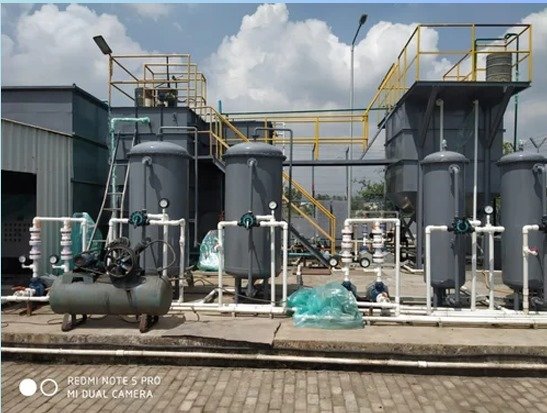
Types of Effluent Treatment Plants
- Industrial ETP: For large factories producing heavy wastewater.
- Chemical ETP: Designed for dye, chemical, or pharmaceutical industries.
- Common ETP (CETP): Shared by multiple small units in an industrial area.
Even small industries can use common effluent treatment plant to save costs while meeting regulations.
ETP vs STP
- ETP: Handles industrial wastewater, chemicals, oils.
- STP: Handles domestic sewage from toilets, kitchens.
Benefits of an Effluent Treatment Plant
- Environmentally Friendly: Reduces pollution in rivers and land.
- Cost-Efficient: Reuse treated water, save on fresh water bills.
- Legal Compliance: Avoid fines and shutdowns.
- Corporate Responsibility: Build a sustainable, responsible brand.
- Worker & Community Safety: Reduces exposure to hazardous substances.
Effluent Treatment Plant Cost in India
The cost of an Effluent Treatment Plant (ETP) depends on your daily water flow, treatment type (biological, chemical, hybrid), and automation level. Here–s a simple guide:
-
Small-Scale ETP (Up to 10 KLD): ?3–6 lakhs
Who it–s for: Small industries, startups, or pilot projects.
Why it–s useful: Basic treatment units handle your wastewater efficiently, helping you meet environmental regulations without heavy investment. -
Medium-Scale ETP (10–50 KLD): ?6–25 lakhs
Who it–s for: Medium-sized industries producing more effluent.
Why it–s useful: Semi-automatic systems improve efficiency, reduce manual work, and help save water for reuse. -
Large-Scale ETP (Above 50 KLD): ?25–80+ lakhs
Who it–s for: Large industrial units with high wastewater generation.
Why it–s useful: Fully automated systems ensure continuous operation, better compliance, and long-term cost savings.
Note: Prices can vary depending on local conditions, customization, and equipment brands.
Maintenance Tips to Maximize Value
A well-maintained ETP not only works efficiently but also protects your investment:
- Daily Checks: Pumps, screens, and valves
- Regular Cleaning: Tanks and filters
- Monitor Water Parameters: pH, chemical dosing, microbial activity
- Sludge Handling: Proper disposal or reuse
Frequently Asked Questions
What is an ETP?
A system that treats industrial wastewater so it–s safe to release or reuse.
Can small industries use an ETP?
Yes. CETPs or small-scale ETP units are ideal for smaller factories.
How much does an ETP cost?
Depends on capacity, treatment type, and automation. Small units start from a few lakhs INR.
Can treated water be reused?
Yes, for cooling, washing, or other industrial processes.
Is ETP mandatory in India?
For most industries producing liquid waste, yes. Compliance with CPCB/SPCB is required.
How often should ETP be maintained?
Daily checks for equipment, monthly checks for chemical and microbial efficiency.
Difference between ETP and STP?
ETP treats industrial effluent; STP treats domestic sewage.
Conclusion
These days, having an Effluent Treatment Plant (ETP) isn–t just a choice – it–s a necessity. It helps industries keep our rivers, lakes, and soil clean while ensuring compliance with environmental laws. A well-designed ETP also reduces water usage, saves operational costs, and shows your commitment to sustainability.
Whether you want to build a new ETP or upgrade an existing one, Aquagreen Tech Solutions can help. Our team designs and installs customized systems that perfectly fit your industry–s needs. We also provide maintenance and performance support to ensure your ETP runs efficiently.
Take the first step towards cleaner and safer water – partner with Aquagreen Tech Solutions today!